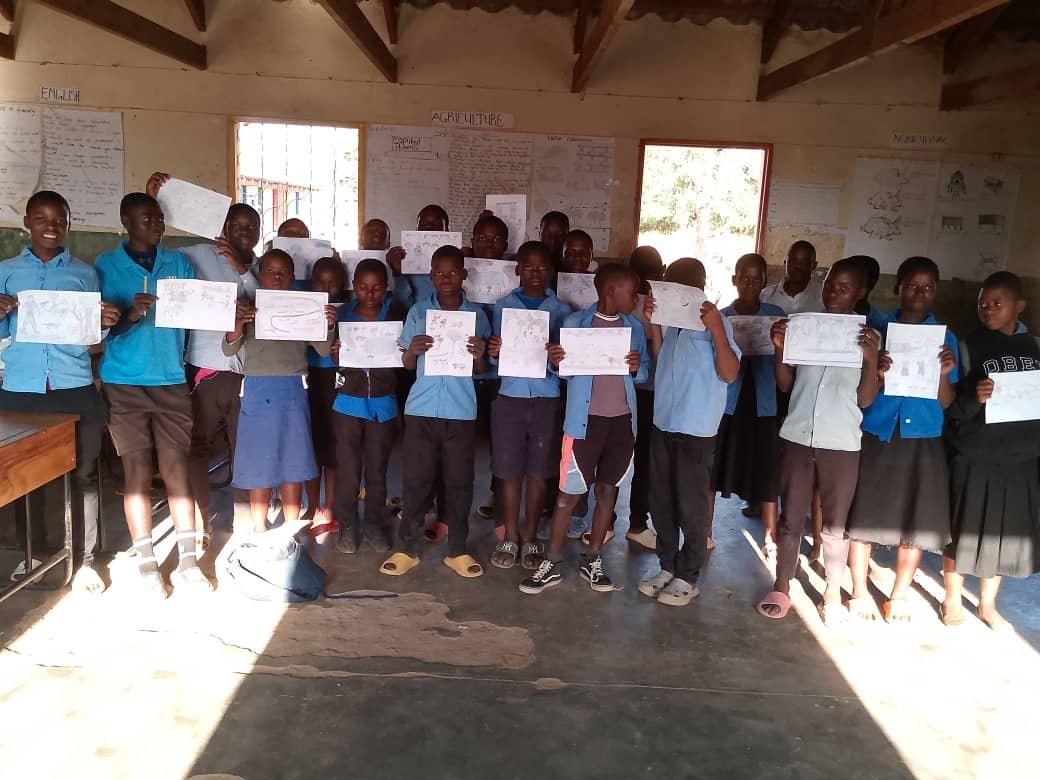
A free, one-hour drawing activity for your classroom, and a way for your students to join children across the world in picturing the future of wildlife.
Every child lives alongside wildlife — elephants or street pigeons, a forest or a single tree full of birds — and every child is forming a picture of what becomes of it. Download the materials, run the activity, and your school joins a growing map of classrooms taking part.
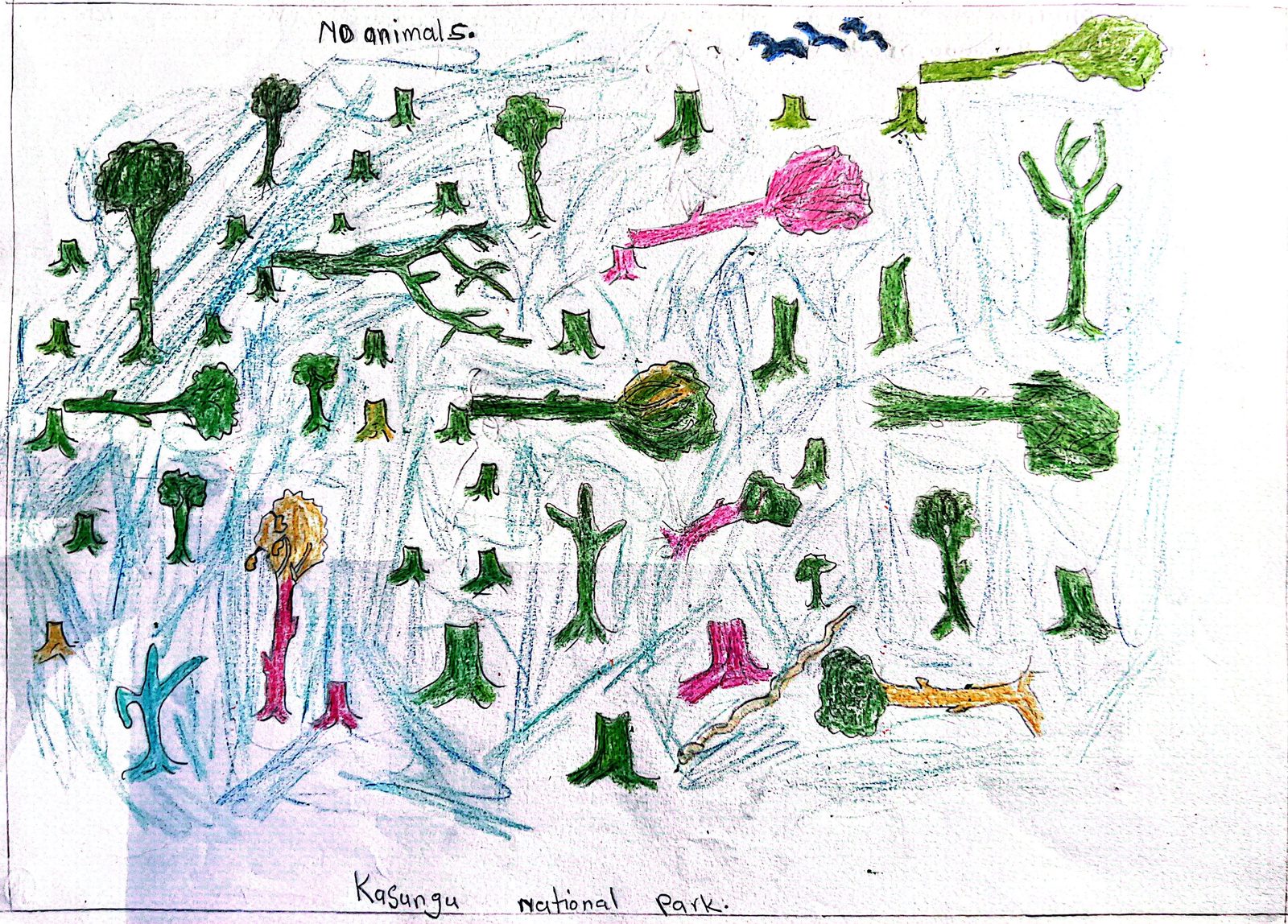
In the first two schools, near Kasungu National Park in Malawi, one in nine children drew a future with no animals at all — empty enclosures, bare hillsides, the words "no animals" across the page. Is that what children see everywhere wildlife is disappearing? The only way to find out is to ask them, classroom by classroom — and to build a picture big enough to matter.

It started with a stack of children's drawings in central Malawi.
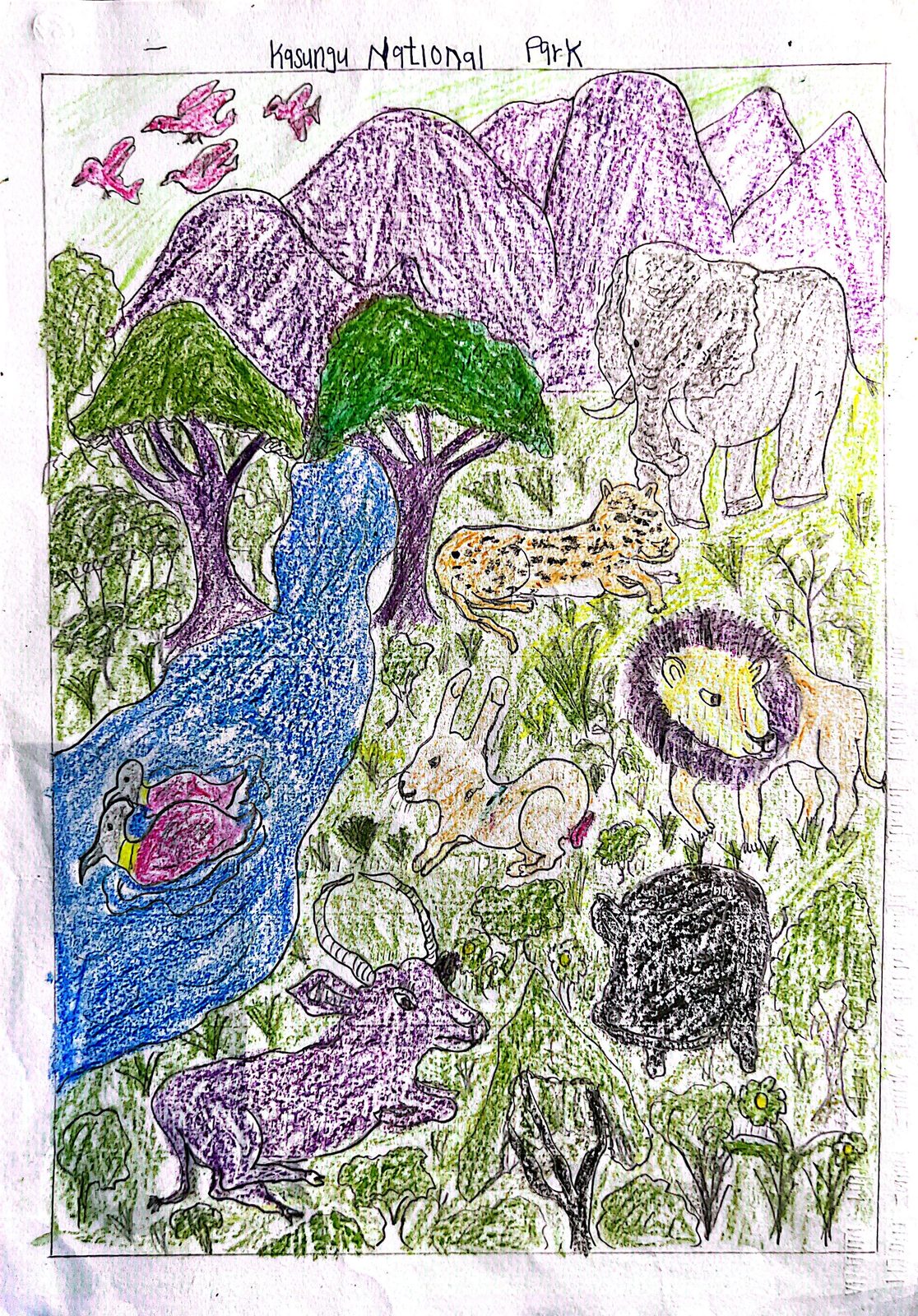
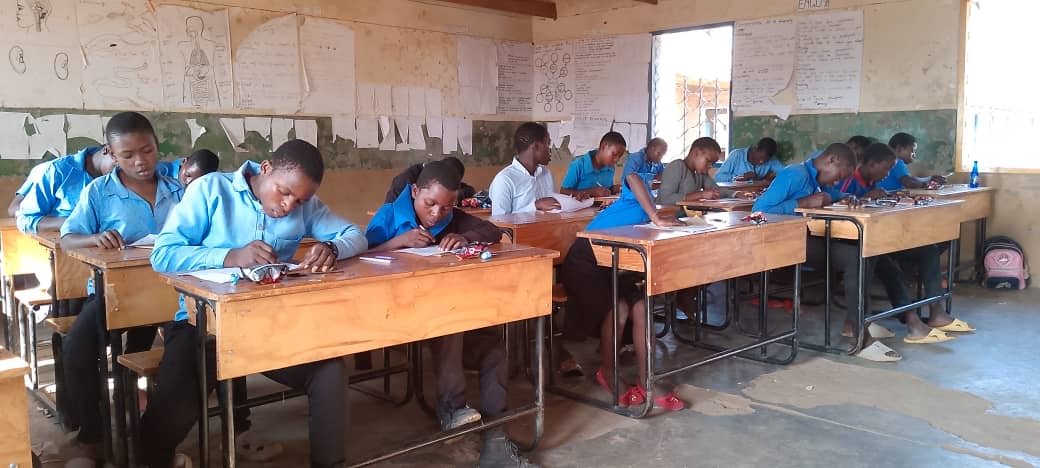
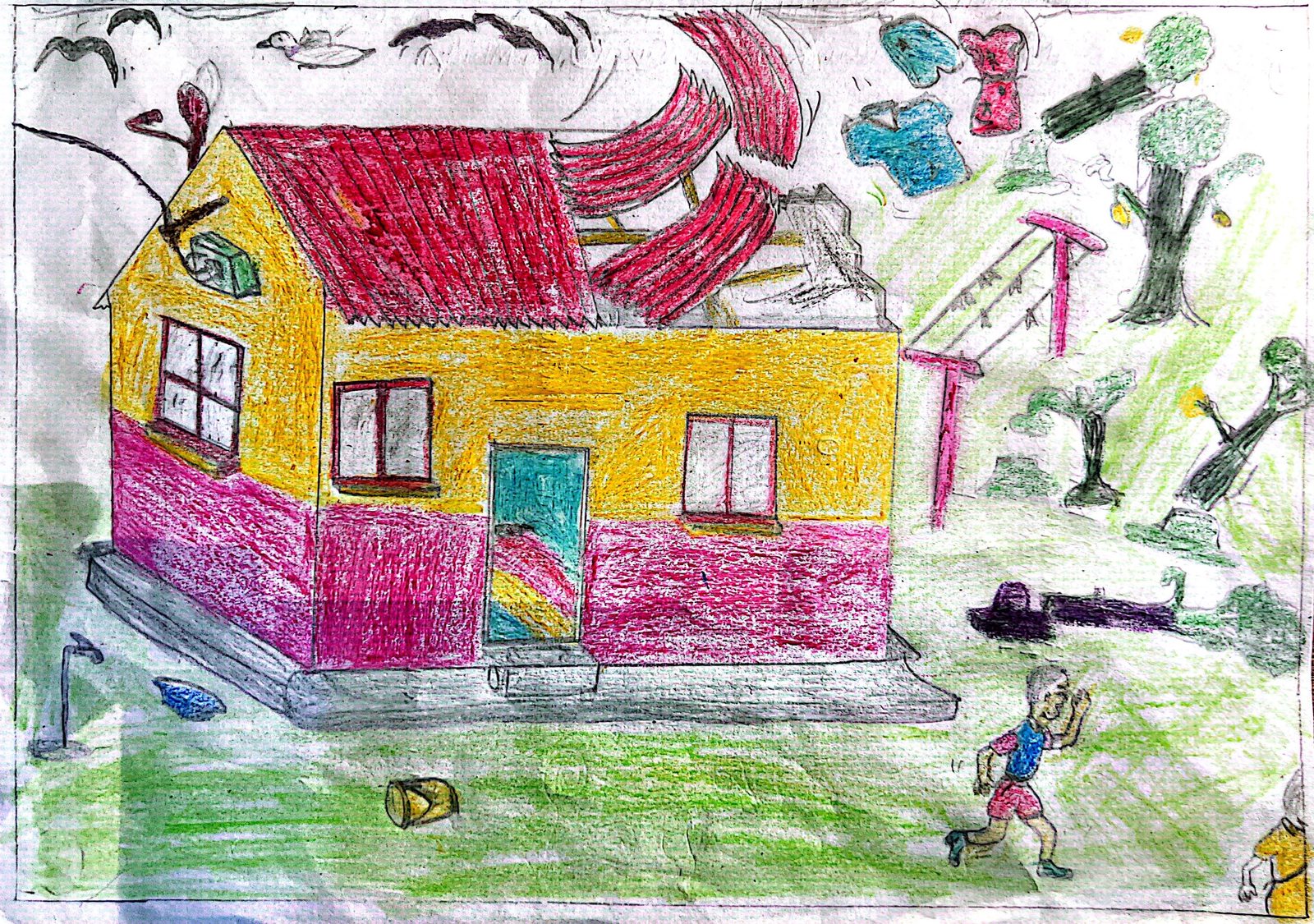
In two primary schools beside Kasungu National Park, 150 children aged 8 to 14 were asked to draw the future with wildlife. Most cared deeply about the animals — but their pages filled with fire, felled trees, and empty land. Seventeen children drew a future with no animals at all, writing the words across the paper. That finding became a published study in Human Dimensions of Wildlife.
The study could only speak for one district. But the question it raised — do children everywhere wildlife is vanishing imagine the same empty future? — belongs to many more classrooms than two. This project is how we ask them.
Read the original study →


Wildlife is disappearing. Today's children may inherit a future with far less of it — and some already imagine a future with none.
Understanding how they see that future can help the people working to change it.
Wildlife is in steep decline almost everywhere — and children are growing up inside that change, whether they live beside a national park or in the middle of a city.
Yet we know surprisingly little about what those children actually think the future holds. When researchers asked near Kasungu, the answers were unsettling: children cared deeply about wildlife, but many couldn't name the animals around them, and a striking number pictured a future with no animals left at all. If a generation grows up expecting wildlife to vanish, that expectation can become its own quiet kind of surrender.
Conservation leaders and educators can work against that — but only if they know what children actually believe, feel, and fear. Today that evidence comes from a handful of scattered studies, rarely comparable across countries. One school can't answer it. A thousand classrooms can.
That's why we need yours.
They live closest to the change, they'll inherit the outcome, and their drawings reveal beliefs a survey would miss.
A drawing crosses language and literacy. A child anywhere can show what they imagine, even when words are hard.
Only a picture built across regions and countries can tell us whether the "no animals" future is local — or everywhere.
The results show educators where to build hope and knowledge — so children grow up expecting wildlife to stay, not vanish.
We welcome any school — rural or urban, beside a reserve or deep in a city — because how a child's surroundings shape what they imagine for wildlife is one of the most interesting things this project can reveal.
A real, live map. Every pin is a school that has run the activity or is preparing to. Click one to see who's taking part. The map grows as teachers join — there's no central rollout, just classrooms opting in.
Everything a teacher needs to run the activity in one lesson. Download what you need straight away — no sign-up, no waiting. These are real, working files. All materials are in English; if you need another language, just ask and we'll produce it with you.
A one-page sheet and script for the drawing prompt — the heart of the activity.
↓ Download PDFShort questions on how children feel about wildlife and which animals they think are disappearing. Print double-sided — the whole back page is the drawing space.
↓ Download PDFOne sheet per class, not per child — the teacher fills it in while the children draw. It records what this class has already been taught about wildlife, which is what lets us compare classrooms fairly rather than just describe them.
↓ Download PDFHow to run the lesson in 60 minutes — set-up, what to say, keeping it voluntary, sending work back.
↓ Download PDFA plain-language sheet for head teachers and parents — voluntariness, anonymity, and why it matters.
↓ Download PDFA kid-friendly follow-up lesson on why wildlife is disappearing and what helps — for after the drawing, so it never shapes what children imagine first.
↓ Download PDFThe materials are currently available in English. The activity itself works in any language — children draw, and the questions are short enough for a teacher to deliver in the language of the classroom. If you need the sheets in another language, tell us below and we will work with you to produce them. We'd rather prepare a careful version with a native speaker than publish a rough machine translation, because the prompt has to mean the same thing in every classroom for the results to be comparable.
A teacher giving up an hour of class deserves to know exactly what their students' work becomes. Here is the whole chain — nothing hidden.
One drawing of our future with wildlife, plus a few questions. Anonymous — no name on the page.
Each drawing is analysed centrally with the same scheme every school uses, so classrooms stay comparable.
Your school's results become part of a shared, openly available record — and a point on the map.
Published research, and — as the map spans more countries — a global picture that can inform conservation-education policy.
In plain terms: the drawings power peer-reviewed articles and an open dataset any teacher, researcher, or organisation can learn from. The longer-term aim is a body of evidence large enough to shape how children everywhere are taught about wildlife — the kind of cross-country picture that international conservation-education work, including reports from bodies like UNESCO and UNEP, draws on. We don't claim that influence exists yet; building toward it is the point.
A bounded program built around two policy moments we're aiming for: an interim update timed to CBD COP18 (2028), and a fuller cross-country picture around CBD COP19 (2030) — the year the world takes stock of its biodiversity goals.
Launch with the founding Malawi schools, open the materials, recruit the first new classrooms, run the first prize.
Add comparison sites in new countries and languages, deepen the dataset, run the second prize cycle.
Share early multi-country findings — a first read on how children near and far imagine wildlife's future — timed to the COP18 biodiversity meeting.
Close the dataset and aim to publish the cross-country picture, with open data, around the time the world reviews its 2030 biodiversity goals.

Each year there is a friendly art prize on the theme "a future where wildlife and people share the land." Recognition goes to the child, the class and the school — not cash, but things a classroom can use and be proud of.
The first drawing — the one we analyse — is made before children are told anything about the project, and it is never entered, judged or ranked. A child who knows a prize is at stake draws to win one, and that would destroy the very thing we are trying to measure. So the prize comes afterwards, during the follow-up lesson, once the class knows what the project is about and has talked it through. Two drawings, two purposes: the first is evidence, the second is celebration.
Named recognition (with a guardian's permission) and quality drawing materials.
A small set of wildlife and nature books chosen for the age group.
The school's work highlighted across the project, with a printed display pack.
Judged on imagination, not polish. Because the prize drawing is separate from the one we analyse, judging it on hope costs the study nothing — the evidence has already been collected, unprompted. A child is never identified publicly without a guardian's consent, and entering is always optional. Full rules ship with the teacher's guide.
No account to download. The only thing you "sign up" for is the map — so we can support you and send your school its results.
Grab the prompt, questionnaire, and guide straight away. No sign-up to get the materials. They're in English — ask us if you need another language.
Tell us your school to join the map as "Preparing" and get your results back afterwards. One short form.
One hour, normal school day. Children draw and answer a few questions. Always voluntary.
Upload photos of the drawings. We follow up by email, code them centrally, and your results come back to you.
This project involves children, so the protections come first — not as fine print. Every classroom follows the same simple rules.
These mirror the protocol used in the original Kasungu study: anonymous, voluntary, head-teacher approved, minimal-risk. As the project grows across countries, this is the floor every classroom meets.
This is built to run lean, but it isn't free to run. Translating materials, the annual prize, coding the drawings, and supporting teachers across countries all take resources. Founding supporters help make the first years possible.
Your support helps build something with reach: a body of evidence on how children see the future of wildlife — gathered to inform conservation leaders and educators — aiming for an interim update around the UN Biodiversity Conference (COP18, 2028) and a fuller report around COP19 in 2030.
In the end, it's about one thing: protecting wildlife for the generations who will inherit it.
Indicative costs, to show where money goes. We'd rather be specific than vague about it.
Are you a foundation, company, or organisation that wants to help? We'd love to talk — early supporters shape the project and are recognised as founding partners.
We're forming the founding network now — regional coordinators, translators, drawing-coders, and teacher champions who carry the project in their own country, region, or language. It's volunteer-based today, with real recognition, co-authorship potential, and a commitment to share resources as funding grows.
Because we work with children, joining is by application and we get to know everyone who comes on board.
See the roles & apply →You don't need this form to get the materials — those are free above, with no sign-up. This is how we stay in touch: we email you the simple steps, help you send the drawings back afterwards, and return your school's own results once they're coded. Your class also appears on the map. Any school is welcome — city classrooms matter as much as those beside a national park, because comparing children near wildlife with children far from it is a large part of what we're trying to learn.
Not a teacher? Pass this to one you know, or get in touch about collaborating in a new region or language.